
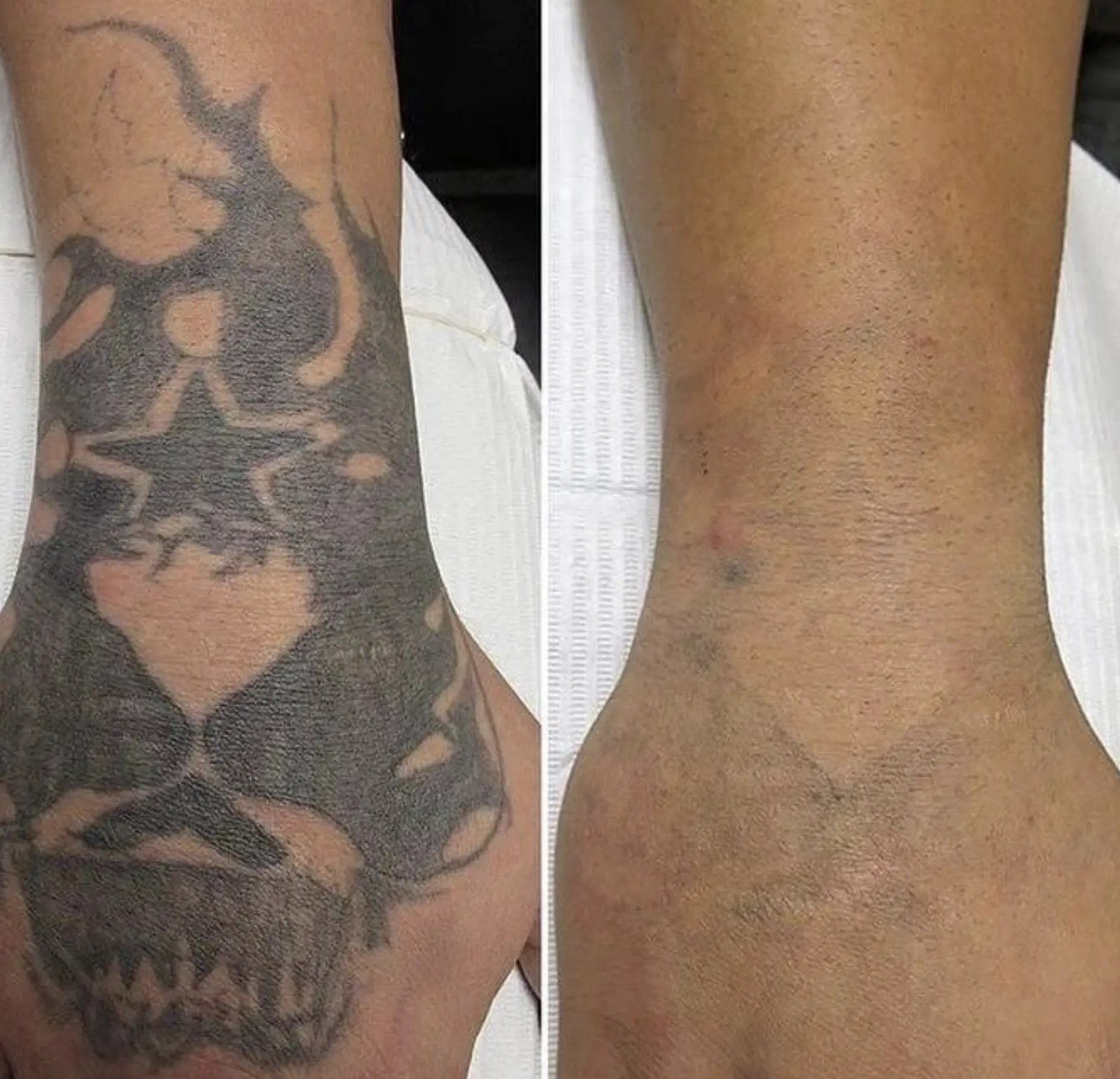
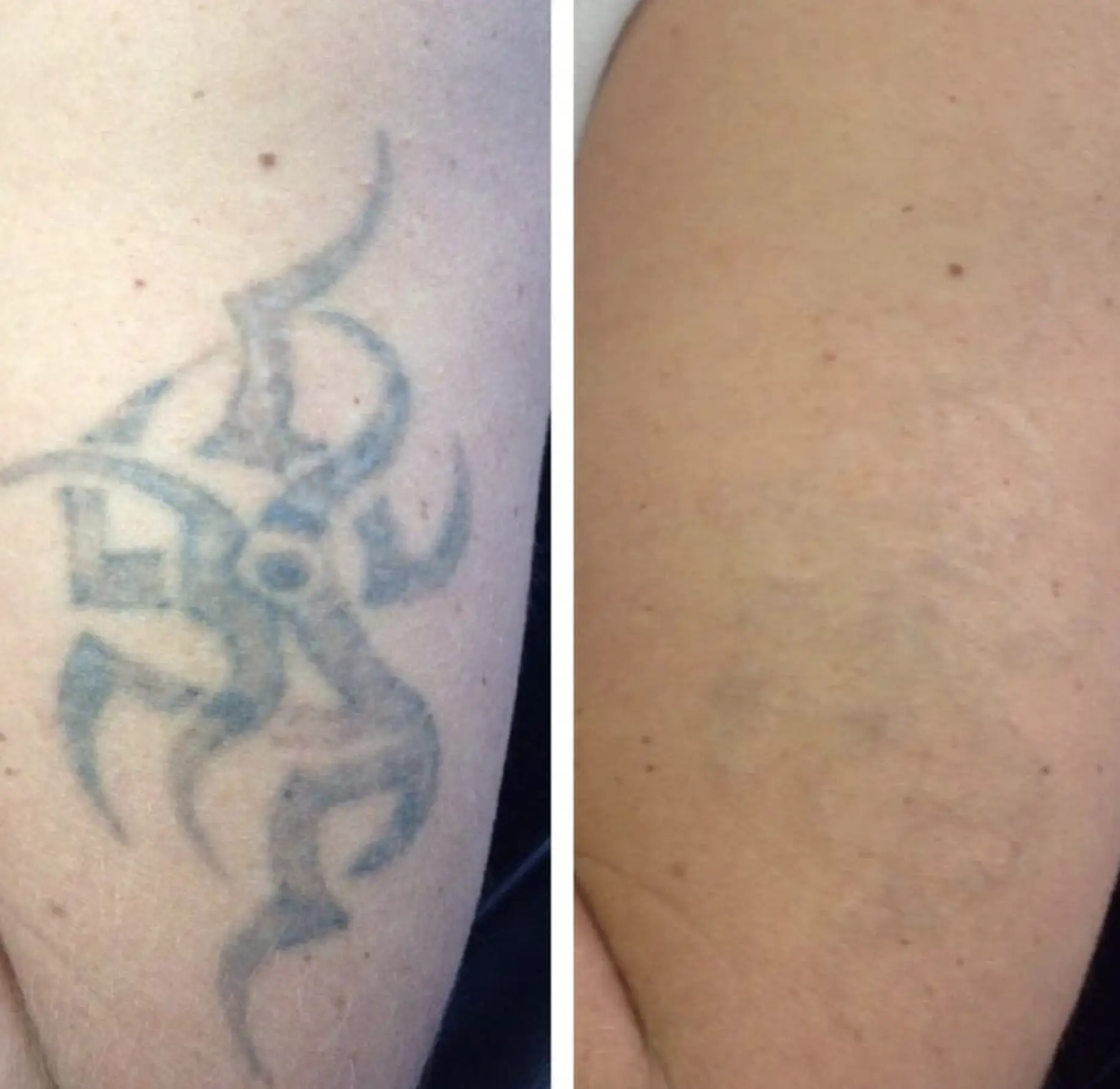
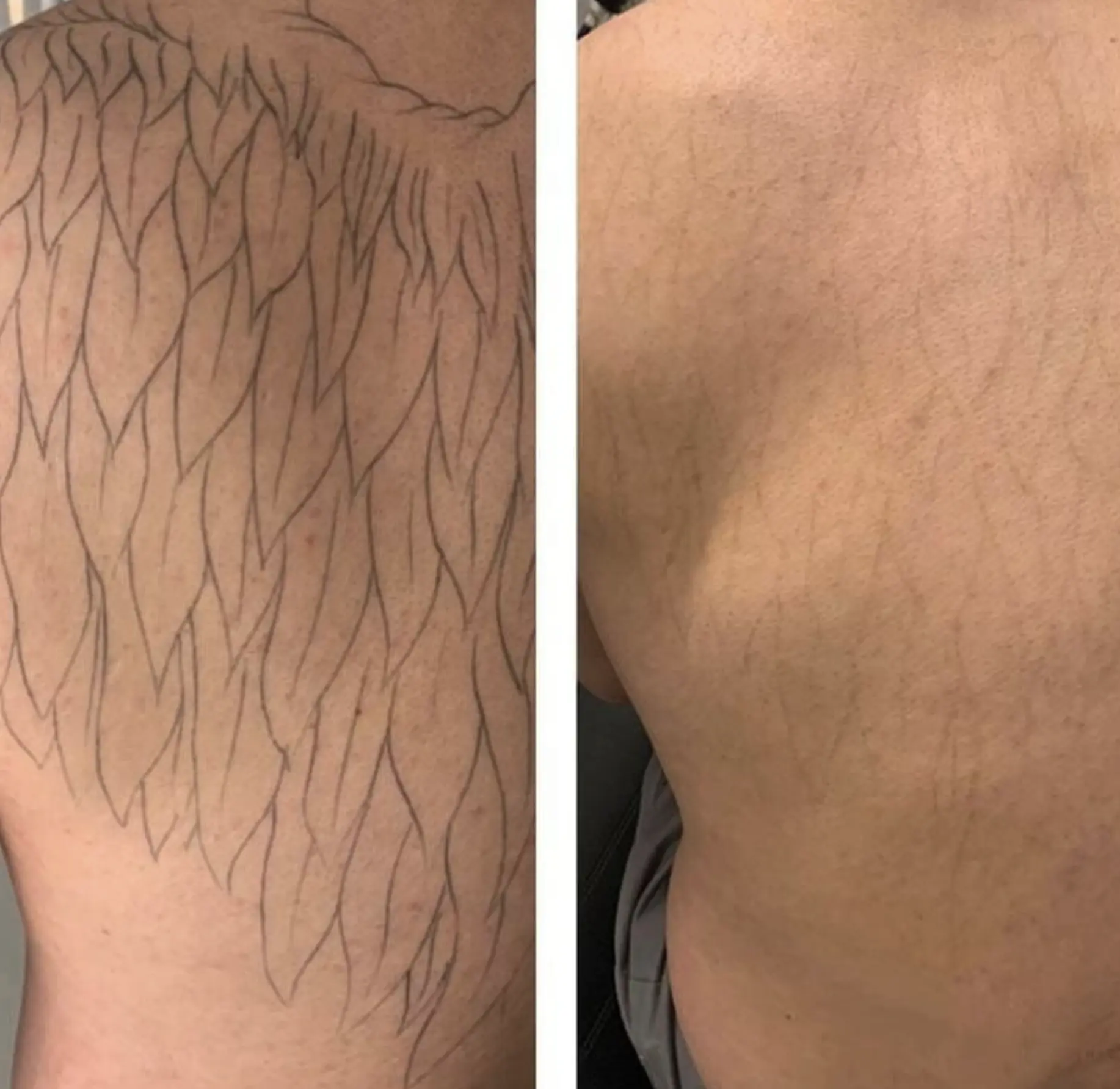
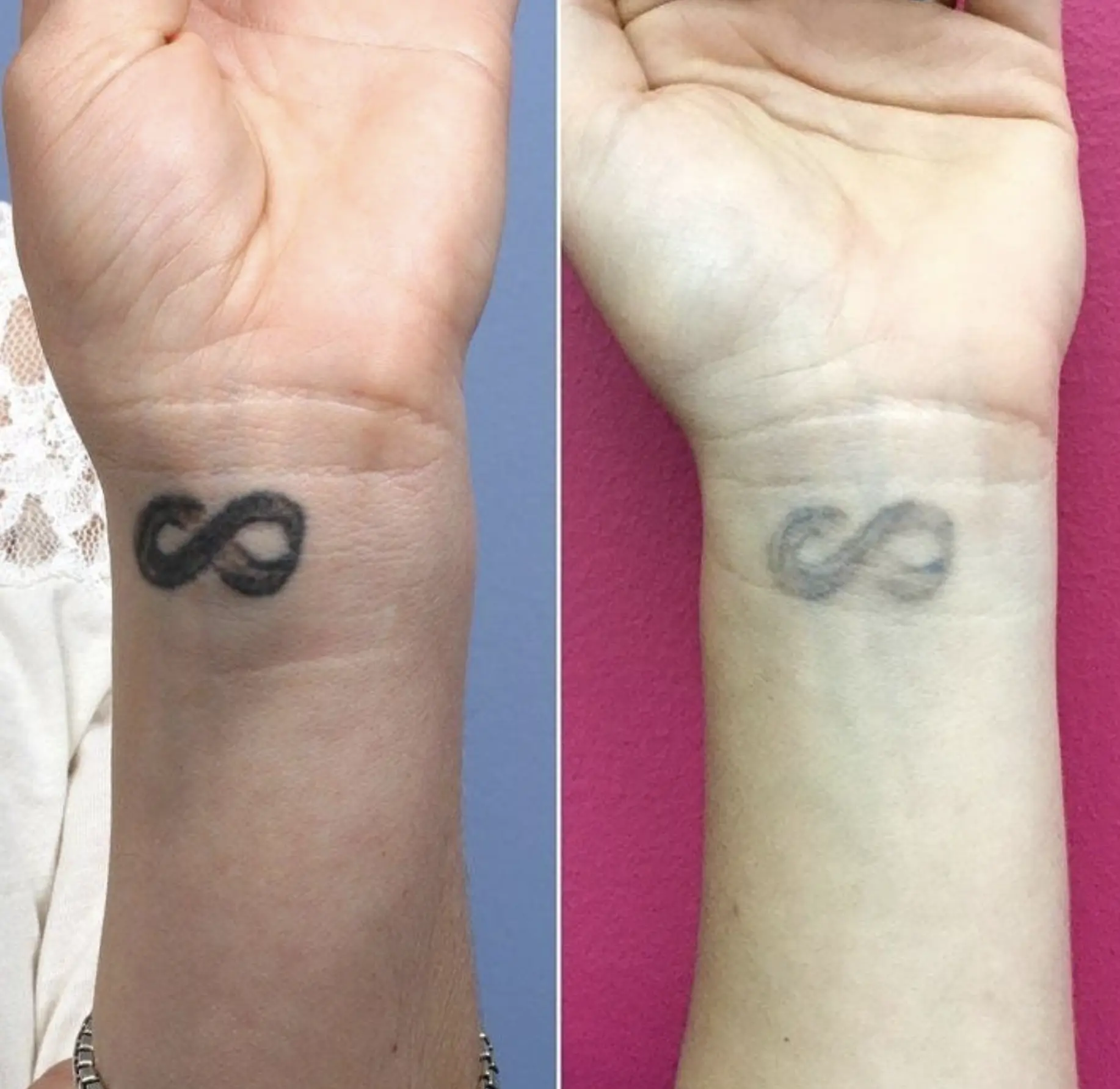
Tattoo removal for dark skin tones is getting more popular as people want to remove unwanted tattoos for various reasons, from a change of heart to professional reasons. However tattoo removal is more complex for people with dark skin tones. This is because of the interaction between laser wavelengths and the higher melanin content in dark skin types which requires special attention to avoid potential side effects and complications.



How it works
Tattoo removal is breaking down the tattoo ink embedded in the skin using laser energy. The laser wavelengths used are absorbed by the tattoo ink and the ink particles are fragmented. These fragmented particles are then eliminated by the body’s immune system. While this process works, laser tattoo removal is more challenging for people with dark skin tones because of the higher melanin content.
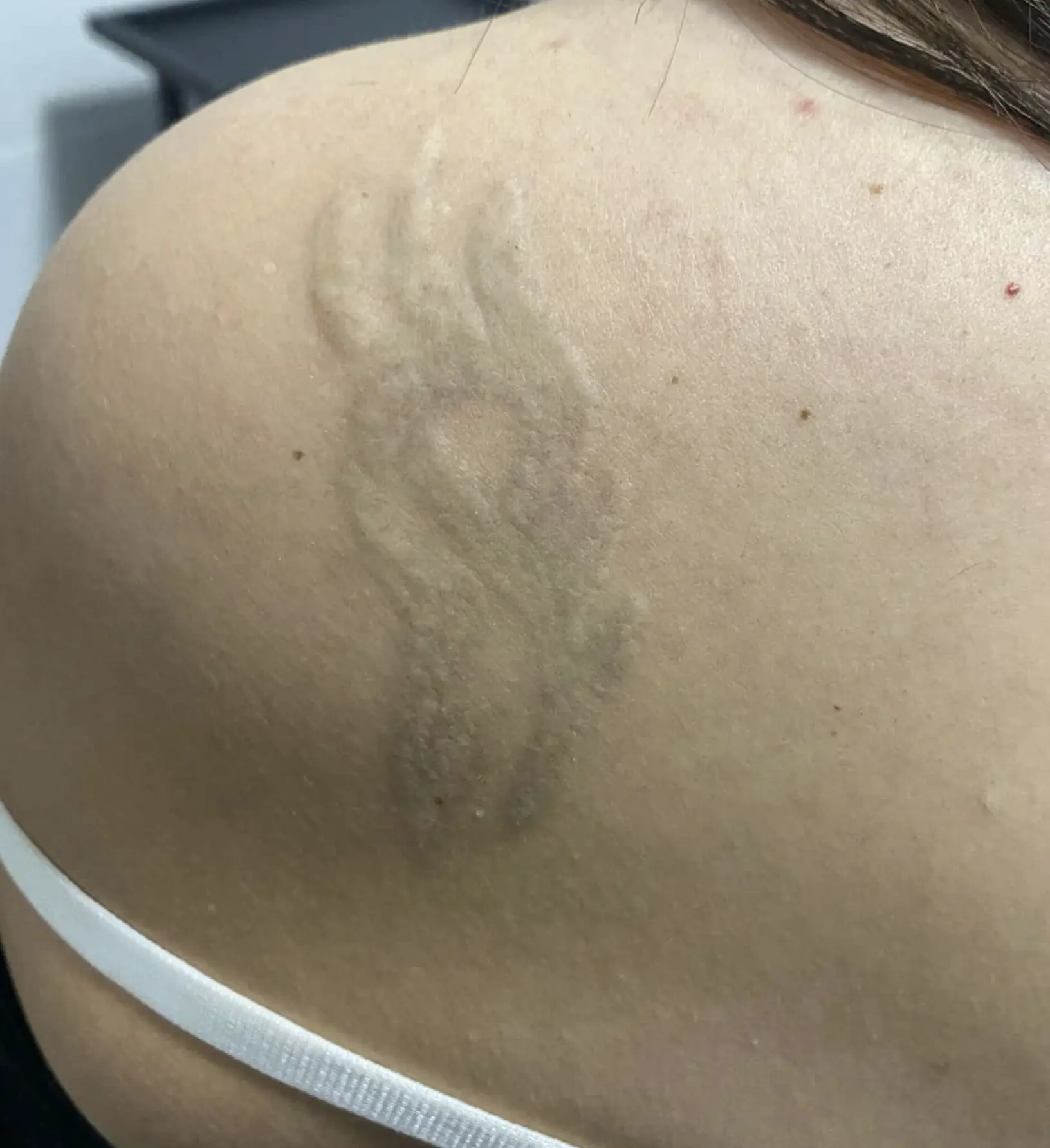
Melanin, the pigment that gives skin its colour, can absorb some of the laser energy intended for the tattoo ink. This absorption can cause skin pigmentation changes such as hyperpigmentation (darkening of the skin) or hypopigmentation (lightening of the skin). There is also a risk of thermal damage, which can cause hypertrophic scarring or keloid formation. Understanding these risks is key to a safe and effective laser tattoo removal process.
Skin Type and Tattoo Ink Color
Skin type plays a big role in determining the right laser treatment for tattoo removal. The Fitzpatrick scale which classifies skin types from Type I (fair skin) to Type VI (dark skin) is often used by laser tattoo removal specialists to assess the risk of complications. Darker skin types (Fitzpatrick IV to VI) are more prone to pigmentary disorders, so lasers are essential to minimize the risk of side effects.
The colour of the tattoo ink also matters when choosing the laser. Black tattoo ink, commonly used in professional tattoos, is easier to remove because it absorbs all laser wavelengths. But lighter ink colors like yellow, green, or red can be more challenging to remove, especially on darker skin types. The type of ink used and its depth in the skin layer are important factors in determining the success of laser tattoo removal.
Choosing the Right Laser
Choosing the right laser is key to minimizing the risks and achieving successful tattoo removal. Q-switched Nd lasers, especially those with a 1064 nm wavelength, are the gold standard for darker skin types. This wavelength is less likely to interact with melanin and reduces the risk of thermal damage and pigmentary disorders. Other types of lasers, like fractional lasers and dye lasers, can also be used depending on the patient’s skin condition and the type of tattoo ink.
The laser settings, pulse durations and laser energy levels need to be adjusted to the patient’s skin type. A bigger spot size and longer thermal relaxation time will help to spread the laser energy more evenly and reduce the risk of complications. Also using a ruby laser or ablative lasers may be suitable for certain ink colours but should be used with caution on dark skin patients as the risk of adverse effects is higher.
Experienced Specialist
Working with an experienced laser tattoo removal specialist is crucial for dark skin types. These specialists know how to adjust the laser parameters according to the patient’s skin type, tattoo characteristics and potential risk factors. They understand the exact mechanism of how laser wavelengths interact with different skin types and tattoo inks and can create a customised treatment plan to minimise the risk of complications.
An experienced specialist will also take into account the patient’s skin sensitivity and any underlying skin conditions such as pigmentary disorders or skin cancers that may affect the laser treatment. They will monitor the skin’s response to the laser and adjust as needed to ensure a successful laser tattoo removal process.
Healing Process
Tattoo removal on dark skin tones may require more sessions than on lighter skin tones. This is because the laser energy needs to be applied more gently to avoid damaging the skin. The treatment intervals may be longer to allow the skin to heal and reduce the risk of hyperpigmentation or scarring.
During the healing process, follow the specialist’s aftercare instructions closely. Avoid sun exposure, as sun damage can exacerbate pigmentation changes and increase the risk of complications. Using topical treatments prescribed by the specialist will help with wound healing and reduce the risk of scarring.
The number of sessions will vary depending on the size of the tattoo, ink colour and the patient’s skin type. Some tattoos may require more sessions to remove completely while others may only need a few sessions. The specialist will monitor the skin’s response to the treatment and adjust the treatment plan as needed to achieve the best results.
Risks and Side Effects
While laser tattoo removal is safe, there are risks and side effects to consider especially for darker skin tones. The risk of hyperpigmentation and hypopigmentation is higher in dark skin patients due to the extra melanin. These can be temporary or permanent depending on your skin type and the laser settings used.
Thermal damage is another risk which can cause hypertrophic scarring or keloid formation. These types of scarring are more common in ethnic skin patients so it’s important to use lasers that minimize thermal damage. There is also risk of tissue response or cellular damage if the laser energy is too high or the treatment intervals are too short.
In some cases, surgical excision may be an option instead of laser removal, especially for large or complex tattoos. However, this has its own set of risks, including scarring and longer recovery time.
Complications
Preventing complications during laser tattoo removal requires careful planning and attention to detail. The specialist must consider many factors, such as the patient’s skin tone, tattoo ink colour, skin conditions and overall health. By using the right laser wavelengths and adjusting the laser settings, the specialist can minimize the risk of side effects and achieve good results.
Patients should also be aware of the risks and side effects of laser tattoo removal and follow the specialist’s advice on aftercare. This includes avoiding sun exposure, using prescribed topical treatments and monitoring the skin for any signs of complications. With proper care, most people can achieve good results with minimal side effects.
Advanced Techniques and Considerations
For people with specific skin types such as Asian skin or skin phototypes IV to VI additional considerations may be needed to ensure safe and effective tattoo removal. These skin types have higher risk of pigmentary disorders so it’s important to use lasers that minimize side effects.
Advanced techniques such as the Fan technique or using larger spot sizes can help distribute the laser energy more evenly and minimize thermal damage. Using a combination of different laser types such as Q-switched Nd lasers and fractional lasers may be needed to target different ink colors and minimize side effects.
For sensitive skin or those who have had adverse reactions to previous laser treatments, a more conservative approach may be needed. This may mean using lower laser energy, longer pulse duration and longer treatment intervals to allow the skin to heal and minimize side effects.
Long Term
While most people have minimal side effects with tattoo removal, there are some long term considerations. Hypopigmentation or hyperpigmentation can last for several months after treatment and in some cases can be permanent. Monitor your skin and report any concerns to the specialist.
There’s also long term side effects like changes in skin texture, scar tissue formation or pigment residue that’s resistant to laser. These can be managed with proper care and follow up treatments but it’s important to work with an experienced laser tattoo removal specialist.
Tattoo removal for dark skin requires special consideration and a customized approach to get the best results. By understanding the challenges of darker skin types and working with an experienced laser tattoo removal specialist, you can remove unwanted tattoo with minimal risks. Proper aftercare, sun protection and prescribed topical creams are key to healing and minimizing side effects. With the right approach, laser tattoo removal is safe for dark skin types.
FAQ
Is laser tattoo removal safe for dark skin?
Yes, laser tattoo removal is safe for dark skin when performed by an experienced practitioner with the right laser and settings. However, there is a higher risk of complications like hyperpigmentation, hypopigmentation or hypertrophic scarring, so you need to work with a professional who has experience with dark skin types.
How many sessions will I need for tattoo removal on dark skin?
The number of sessions for dark skin types can vary, but generally, more sessions are needed than for skin patients. This is to ensure the treatment is effective and minimizes side effects. Your practitioner will create a treatment plan for you based on your skin type and tattoo.
What are the risks of laser tattoo removal for dark skin?
Risks for dark skin patients include hyperpigmentation, hypopigmentation and keloid formation. These can be managed by using the right laser wavelengths and pulse durations and following a strict aftercare regime. Your practitioner will discuss these risks and how to minimize them.
Can all ink colours be removed from darker skin tones?
Not all ink colours can be removed from darker skin tones. Some colours like dark pigments like black ink pigments are easier to remove than others. The type of ink used and the patient’s skin colour will affect the effectiveness of the laser treatment. Your practitioner will assess your tattoo to determine the best approach.
What to do after laser tattoo removal?
Avoid sun, follow your practitioner’s aftercare and apply any topical creams as recommended to promote healing and minimize pigmentation changes or scarring.